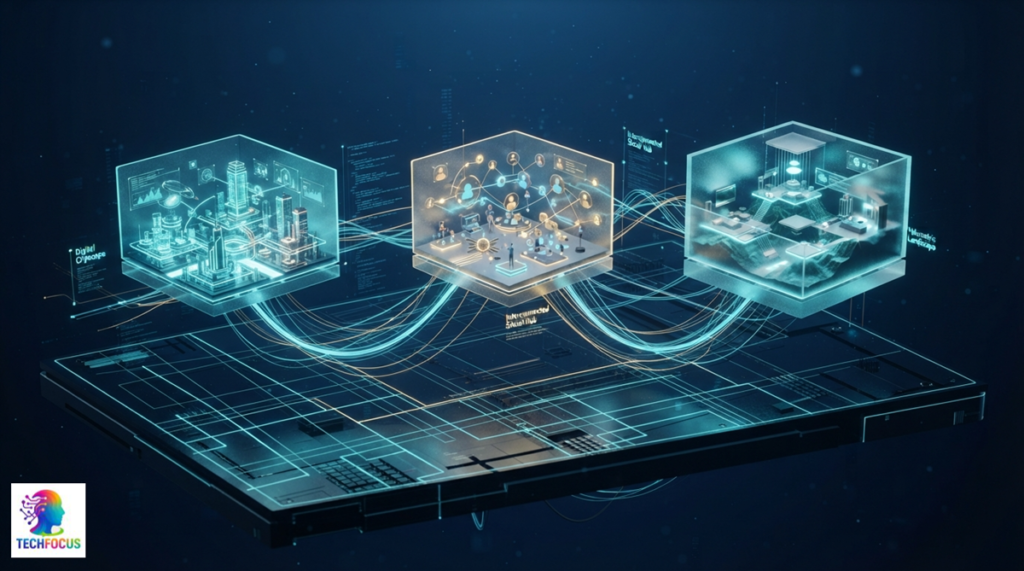
What is the metaverse, genuinely, beyond the sweeping, futuristic marketing language companies have used to describe it? In practical terms, the metaverse refers to interconnected virtual spaces where people can interact, socialise, work, or play through digital avatars, often using virtual reality or standard screens to access these environments.
Fact #1: What Is the Metaverse, in Plain Terms?
Rather than one single unified place, the metaverse concept describes a broader vision of persistent, interconnected virtual worlds where people spend meaningful time interacting with others and digital content, ideally moving between different virtual spaces somewhat like navigating different websites today.
Fact #2: Does the Metaverse Actually Exist Yet?
Partially, though not in the fully unified, interconnected form the term originally suggested. Various individual virtual worlds, gaming platforms, and social spaces exist and function well independently, but the seamless, interconnected vision often associated with the term remains genuinely more aspirational than fully realised today.
Fact #3: What Is the Metaverse? Companies Define It Differently
Different companies have used the term to describe fairly different products and visions, ranging from immersive VR social platforms to simpler web-based virtual spaces, which has genuinely contributed to public confusion about what the term actually, consistently refers to.
Fact #4: What Is the Metaverse? Real-World Examples
Virtual Gaming Worlds
Certain popular gaming platforms already function as persistent virtual spaces where people socialise, create content, and spend real money on virtual goods, representing an early, functioning version of a metaverse-like experience.
Virtual Reality Social Spaces
VR platforms let people meet and interact as avatars in shared virtual environments, used for socialising, meetings, and events, providing a more immersive version of the interconnected virtual space the metaverse concept describes.
Virtual Business and Work Spaces
Some companies have experimented with virtual offices and meeting spaces, letting remote teams interact in a shared virtual environment rather than through standard video calls alone.
Why Did the Metaverse Generate So Much Hype?
Major technology companies invested enormously in metaverse-related technology and marketing, positioning it as the genuinely inevitable next phase of the internet, which generated enormous public attention and speculation about its eventual scale and importance.
Fact #5: The Metaverse Has Not Lived Up to the Early Hype
Honestly, not yet, at least not to the degree originally promised. Adoption has been considerably slower and more fragmented than early predictions suggested, and many of the specific companies that invested heavily have since scaled back their ambitions and public messaging considerably.
Fact #6: Major Obstacles Are Still Holding the Metaverse Back
Hardware Limitations
Current virtual reality hardware remains genuinely less comfortable, accessible, and affordable than the smartphones and computers people already use daily, creating a real adoption barrier for widespread, mainstream use.
Lack of Interoperability
Different metaverse-like platforms generally don’t connect, meaning your avatar, virtual items, and social connections typically don’t transfer between different virtual worlds, undermining the interconnected vision central to the term’s original concept.
Unclear Everyday Use Cases
Beyond gaming and specific niche applications, many people genuinely struggle to identify a compelling everyday reason to spend significant time in virtual spaces rather than simply continuing to use existing, familiar digital tools.
Is the Metaverse Just for Gaming?
Not exclusively, though gaming represents its most mature and genuinely successful current application. Business meetings, virtual events, education, and social interaction all represent additional areas where metaverse-like technology is being explored, with varying degrees of genuine current success.
Is It Worth Trying the Metaverse Yourself Right Now?
For curious individuals, trying an accessible platform costs little beyond time and mild hardware investment, offering a genuine firsthand sense of where the technology currently stands rather than relying purely on secondhand marketing claims or media coverage.
Should Businesses Invest in the Metaverse Right Now?
For most businesses, a cautious, exploratory approach makes more sense than significant investment, given how genuinely unsettled the technology, adoption patterns, and practical use cases remain at this relatively early stage of development.
Fact #7: The Metaverse May Become Mainstream, but Its Future Is Uncertain
It’s genuinely uncertain. Some form of increasingly immersive virtual interaction seems reasonably likely to continue developing, but whether it takes the specific, unified form originally envisioned, or evolves into something considerably different, remains honestly unclear at this point.
Final Answer: What Is the Metaverse Really?
Understanding the metaverse requires looking beyond the hype and recognising it as an evolving, currently fragmented set of virtual experiences rather than the single, fully realised, interconnected reality early hype suggested. Approaching it with realistic, informed expectations, rather than either uncritical excitement or dismissive scepticism, gives the most accurate current picture of where this technology genuinely stands today.
Frequently Asked Questions
What Is the Metaverse Today, and Does It Actually Exist?
Partially. Understanding the metaverse today means recognising that various individual virtual worlds and platforms exist and function well, but the fully unified, interconnected vision remains more aspirational than fully realised.
What Is the Metaverse in Simple Terms?
The metaverse is a collection of digital environments where people can interact, work, play, socialise, and experience virtual content through technologies such as virtual reality, augmented reality, and connected online platforms.
Is the metaverse only relevant to gaming?
No, though gaming represents its most mature current application. Business, education, and social interaction are also being explored, with varying degrees of current success.
Why hasn’t the metaverse become mainstream yet?
Hardware limitations, lack of interoperability between platforms, and unclear everyday use cases beyond gaming remain genuine obstacles to widespread, mainstream adoption.
Should businesses invest heavily in the metaverse now?
For most, a cautious, exploratory approach makes more sense given how unsettled the technology and practical use cases remain at this early stage.
Will the metaverse eventually become a bigger part of everyday life?
It’s genuinely uncertain. Immersive virtual interaction seems likely to keep developing, though its exact future form remains honestly unclear right now.