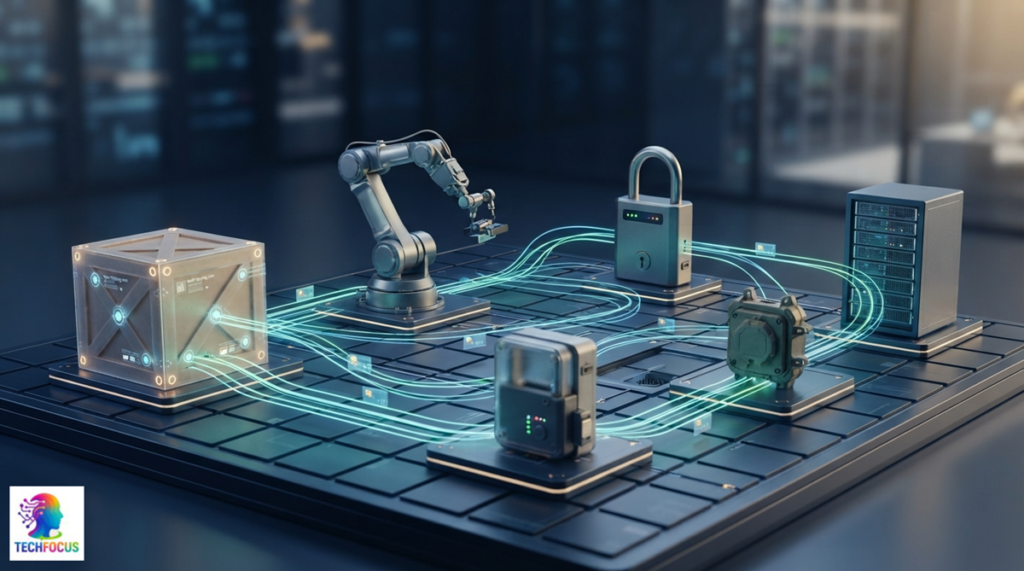
What is IoT, and why has this term become such a common part of conversations about modern business technology? IoT stands for Internet of Things, referring to physical devices, sensors, equipment, and everyday objects connected to the internet, able to collect and share data automatically without requiring constant, direct human involvement.
What Is IoT, in Plain Terms?
At its core, IoT means ordinary physical objects have been given the ability to connect to the internet, collect data through built-in sensors, and often communicate with other connected devices or central systems, enabling automated monitoring and responses that weren’t previously possible without a person directly checking manually.
How Does IoT Actually Work?
IoT devices typically include a sensor that collects specific data temperature, location, usage patterns and a way to transmit that data over the internet to a central system, where it can be analysed, monitored, or used to trigger automated actions without requiring someone to check manually and react in real time.
What Are Common Examples of IoT in Everyday Business?
Inventory and Asset Tracking
Sensors attached to inventory or equipment can automatically track location and quantity, alerting staff when supplies run low or when equipment moves somewhere unexpected, without requiring manual counts or checks.
Environmental Monitoring
Connected sensors can monitor temperature, humidity, or air quality in real time, which matters significantly for businesses handling sensitive goods like food, pharmaceuticals, or specialised equipment requiring specific conditions.
Equipment Maintenance Alerts
IoT sensors on machinery can detect early signs of wear or malfunction, alerting maintenance teams before a complete breakdown occurs, shifting maintenance from purely reactive to genuinely predictive and proactive.
Smart Building Systems
Connected building systems can automatically adjust lighting, heating, and cooling based on real occupancy and usage patterns, improving both energy efficiency and comfort without requiring constant manual adjustment.
Why Is Understanding What Is IoT Relevant for Business Owners?
Even business owners without a technical background benefit from understanding what is IoT conceptually, since these technologies increasingly appear in everyday business tools security systems, inventory management, and building operations that owners need to evaluate and make informed purchasing decisions about.
Does Understanding What Is IoT Help With Everyday Purchasing Decisions?
Yes, genuinely. Even outside a business context, recognising what IoT technology actually does helps consumers evaluate smart home devices, wearables, and connected appliances more critically, understanding what data they collect and how that data gets used, rather than buying purely based on marketing claims alone.
Does Every Business Need to Adopt IoT Technology?
Not necessarily immediately, but the specific relevance depends heavily on your industry and operations. Businesses managing physical inventory, equipment, or facilities tend to see more direct genuine benefit than purely service-based businesses without significant physical assets to actually monitor and manage.
How Is IoT Different From Regular Internet-Connected Devices Like Laptops?
The key distinction is purpose and autonomy. A laptop is a general-purpose device a person actively operates, while IoT devices are typically specialised, often operating automatically in the background without requiring direct, continuous human interaction to collect data or perform their specific function.
What Are the Genuine Benefits of Adopting IoT?
Real-time visibility into operations, reduced manual monitoring workload, earlier detection of problems before they become serious and costly, and data-driven insights that weren’t previously available without extensive manual tracking all represent genuine, practical business value that IoT adoption can provide.
What Are the Genuine Risks of Adopting IoT?
Connected devices expand your business’s overall security exposure, since each connected device represents a potential entry point for a cyberattack if not properly secured. Data privacy considerations also matter significantly, particularly for IoT devices collecting information about customers or employees.
How Secure Are IoT Devices Typically?
Security varies considerably between manufacturers and specific devices. Choosing reputable providers with a genuine track record of security updates, changing default passwords, and keeping device software updated meaningfully reduces the real risks that come with adding more connected devices to your business network.
Is IoT Technology Expensive to Start Using?
Not necessarily. Many basic IoT tools, particularly for inventory tracking or simple environmental monitoring, have become genuinely affordable in recent years, making them accessible even for smaller businesses without significant technology budgets to invest upfront.
Do Small Businesses Actually Benefit From IoT, or Is It Just for Large Companies?
Small businesses genuinely benefit too, particularly from affordable, accessible IoT tools for inventory tracking, security monitoring, or environmental sensing that would have required significant investment to achieve through other means in the past.
Final Answer: Why This Matters Going Forward
Understanding what is IoT helps business owners make more informed decisions as connected technology becomes an increasingly standard part of everyday business operations, from simple inventory sensors to comprehensive smart building systems. Approaching adoption thoughtfully, with genuine attention to security, lets businesses capture real operational benefits without taking on unnecessary risk they haven’t properly considered or planned for in advance.
Frequently Asked Questions
What does IoT actually stand for?
IoT stands for Internet of Things, referring to physical devices connected to the internet that can collect and share data automatically without constant human involvement.
Is IoT only relevant for large companies?
No, small businesses genuinely benefit too, particularly through affordable IoT tools for inventory tracking, security monitoring, and environmental sensing.
Are IoT devices secure?
Security varies by manufacturer and device. Choosing reputable providers and keeping software updated meaningfully reduces the genuine risks connected devices introduce.
What industries benefit most from IoT adoption?
Businesses managing physical inventory, equipment, or facilities tend to see the most direct genuine benefit compared to purely service-based businesses.
Does adopting IoT require significant technical expertise?
Not necessarily for basic adoption, since many IoT tools are designed for straightforward setup, though understanding security best practices remains genuinely important for safe, long-term use.